Tag: David Talks

  • Understanding Presidential Policy Directive 21 (PPD-21)

    Understanding Presidential Policy Directive 21 (PPD-21)

    What It Is, Why It Exists, and How Trump’s Plans—Including Tariffs—Shape It

    Picture the United States as a sprawling, interconnected web of vital systems—power grids buzzing with electricity, water coursing through pipes, highways alive with traffic, and the internet tying it all together. These are the arteries of our nation, the critical infrastructure that keeps America humming. But what happens when a cyberattack cripples the grid, a hurricane floods the roads, or a terrorist strike severs the lines? Enter Presidential Policy Directive 21 (PPD-21)—the nation’s playbook for shielding these lifelines and ensuring they can snap back from disaster.

    In this article, we’ll unpack PPD-21: what it is, why it was born, and how President Donald Trump’s policies—past and present—interact with it. From his first term (2017–2021) to his second (starting in 2025), we’ll explore how his “America First” lens, including his strategic use of tariffs, aligns with this directive, spotlighting both successes and shortcomings.

    What Is PPD-21?

    Signed by President Barack Obama on February 12, 2013, PPD-21 is a strategic framework to protect and fortify America’s critical infrastructure—the systems so essential that their failure could paralyze daily life. Think energy grids, water supplies, transportation networks, hospitals, financial systems, and communication lines. The directive pinpoints 16 key sectors:

    1. Chemical Sector
    2. Commercial Facilities Sector
    3. Communications Sector
    4. Critical Manufacturing Sector
    5. Dams Sector
    6. Defense Industrial Base Sector
    7. Emergency Services Sector
    8. Energy Sector
    9. Financial Services Sector
    10. Food and Agriculture Sector
    11. Government Facilities Sector
    12. Healthcare and Public Health Sector
    13. Information Technology Sector
    14. Nuclear Reactors, Materials, and Waste Sector
    15. Transportation Systems Sector
    16. Water and Wastewater Systems Sector

    PPD-21 doesn’t just play defense—it’s about resilience, ensuring these systems can rebound fast from cyberattacks, terrorism, or natural disasters. Its three core goals are: unite federal, state, and local governments with private companies (who own most of this infrastructure, like energy firms or ISPs); keep everyone in the loop on threats for swift action; use data to spot and fix weak points before they’re exploited. Imagine PPD-21 as a national security coach, rallying a diverse team to guard America’s backbone.

    Why Was PPD-21 Created?

    Why did the U.S. need this blueprint? Rewind to September 11, 2001. The terrorist attacks exposed a chilling truth: targeting infrastructure—like airports or communication hubs—could bring the nation to its knees. President George W. Bush responded with Homeland Security Presidential Directive 7 (HSPD-7) in 2003, laying early groundwork.

    Fast-forward to Obama’s era. By 2009, the game had changed. Cybercriminals could now hack power grids from halfway across the globe, while Hurricane Katrina (2005) showed how cascading failures—like flooded hospitals and downed power lines—could stall recovery for months. PPD-21 replaced HSPD-7 in 2013, doubling down on resilience and collaboration. It was a modern answer to modern threats, recognizing that protection alone isn’t enough—America’s systems need to endure and adapt.

    Trump’s First Term: Reinforcing PPD-21

    When Donald Trump took office in 2017, he didn’t toss PPD-21 aside—he leaned into it, shaping it through his “America First” priorities: security, energy dominance, and self-reliance. Here’s how his first term synced with the directive:

    1. Cybersecurity Boost PPD-21 flags cyberattacks as a top threat. Trump’s Executive Order 13800 (May 2017) tackled this head-on, mandating stronger defenses for federal networks and urging private-sector partnerships to modernize creaky systems. It echoed PPD-21’s call for collaboration—but critics noted a catch: insufficient funding left many upgrades stalled.
    2. Energy Fortress Energy is a PPD-21 linchpin. Trump slashed regulations and greenlit pipelines to pump up domestic production, aiming to cut reliance on foreign oil. His 2020 executive order shielded the electric grid from overseas threats. Success? Domestic output soared—but some experts warned that cyber vulnerabilities in energy systems lingered.
    3. Border as a Shield Trump’s border wall and beefed-up patrols tied into PPD-21’s mission by aiming to block terrorism and trafficking—threats that could disrupt transportation or communication networks. Critics, though, debated its cost versus its impact.
    4. Disaster Recovery PPD-21 stresses bouncing back fast. Trump’s team sent aid after Hurricanes Harvey and Maria, but the sluggish, underfunded response in Puerto Rico drew flak—exposing gaps in executing PPD-21’s resilience goals.

    Trump’s first term bolstered PPD-21’s spirit with a focus on national strength. Yet, outcomes were mixed: bold moves met spotty follow-through, leaving some vulnerabilities unplugged. Trump’s return on January 20, 2025, brought a fresh slate of policies building on PPD-21. Facing escalating cyberattacks, global tensions, and economic rivalries, he’s doubling down—with tariffs as a key tool.

    Border Lockdown

    Day-one orders revived “Remain in Mexico” and deployed troops to the U.S.-Mexico border. Trump ties this to PPD-21, arguing a sealed frontier protects transportation and communication systems from crime and terrorism. Detractors call it political theater, questioning its infrastructure payoff.

    Energy Overdrive

    Declaring an “energy emergency,” Trump is fast-tracking pipelines and power plants, undoing Biden-era climate rules he dubs “extremism.” It’s a bid to harden the energy sector—a PPD-21 priority—but environmentalists warn it could backfire as climate disasters intensify.

    AI and Cyber Leap

    A $500 billion AI investment aims to outpace hackers, safeguarding healthcare, finance, and more. Trump’s also pushing back on foreign digital taxes to bolster U.S. tech—a nod to PPD-21’s global cooperation angle. Without clear private-sector tie-ins, though, some fear it’s more flash than substance.

    Cartel Crackdown

    Labeling drug cartels as terrorists equips law enforcement to hit organized crime harder. Since cartels threaten transportation and public safety (PPD-21 sectors), it’s a strategic fit—but risks sparking violence or diplomatic fallout.

    Government Overhaul

    Trump’s slashing red tape and diversity programs to streamline agencies, claiming it sharpens PPD-21’s focus on proactive defense. Critics counter that gutting oversight could weaken, not strengthen, the system.

    Tariffs as a Shield for Critical Industries

    In his second term, Trump plans to wield tariffs—taxes on imported goods—as a strategic tool to support PPD-21 by protecting domestic industries vital to critical infrastructure. His approach builds on his “America First” ethos, aiming to reduce reliance on foreign supply chains and bolster U.S. self-sufficiency.

    By imposing tariffs on goods like steel, electronics, and machinery, Trump seeks to strengthen American manufacturers in PPD-21 sectors. For instance, tariffs on foreign steel could ensure a robust domestic supply for energy pipelines, bridges, and power plants. Similarly, taxing imported electronics might boost U.S. production of communication equipment—like 5G hardware or cybersecurity tools—enhancing the resilience of the communications sector.

    This could make critical infrastructure less vulnerable to foreign disruptions, such as supply chain shocks or geopolitical sabotage. A stronger domestic industrial base aligns with PPD-21’s goal of resilience, ensuring the U.S. can sustain itself in a crisis.

    Tariffs aren’t a silver bullet. They could trigger trade wars, with countries retaliating by taxing U.S. exports or cutting off key materials. Higher costs for imported goods might also inflate infrastructure project budgets, straining resources. If domestic industries can’t ramp up production fast enough, shortages could weaken, rather than strengthen, critical systems. Critics argue this tension could undermine PPD-21’s resilience mandate, especially if global supply chains falter.

    Trump’s team counters that short-term disruptions are a necessary trade-off for long-term security, framing tariffs as a bold step toward infrastructure independence. The debate hinges on execution—will the gains outweigh the gambles?

    Tying It Together

    PPD-21 is America’s game plan for a secure, resilient foundation. Trump’s policies—then and now—play by its rules, prioritizing cybersecurity, energy, border defenses, and now, tariffs to shield critical industries. Success hinges on execution. Can his plans—tariffs included—tackle hackers, storms, cartels, and economic rivals all at once? It’s a high-stakes test of balance and foresight.

    You don’t notice power lines or water mains until they fail—but they’re why your life runs smoothly. PPD-21, and Trump’s take on it, aim to keep those systems humming through any crisis. As threats morph—cyberwarfare, climate chaos, geopolitical strife, and now, trade tensions—so must our defenses. Will PPD-21 and Trump’s strategies, including tariffs, hold strong against what’s next? That’s the question, and understanding it puts you in the know about the invisible shield keeping America standing.
  • Strategic Tariffs: A Key to American Success?

    Strategic Tariffs: A Key to American Success?

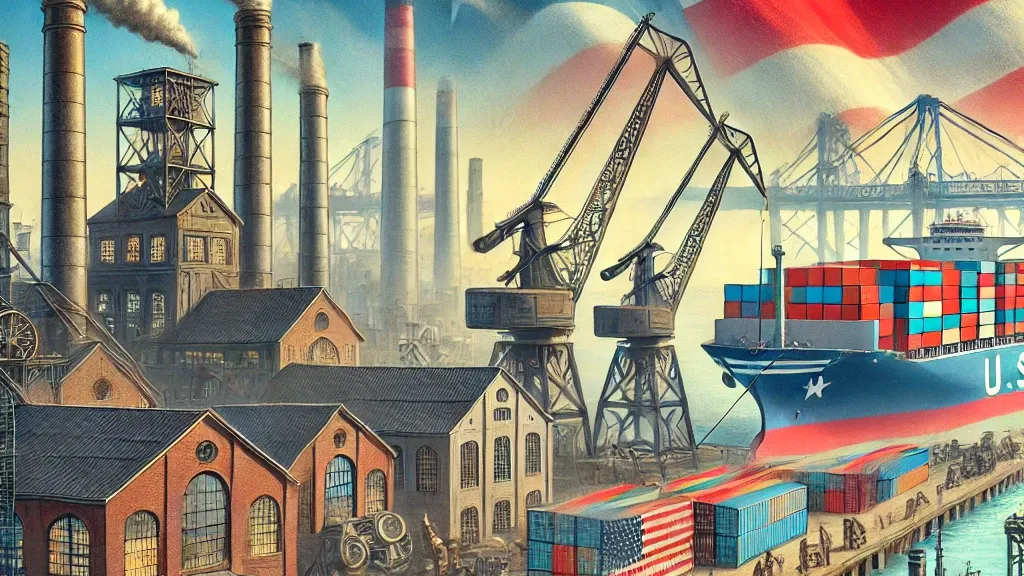
    Throughout U.S. history, tariffs—taxes levied on imported goods—have played a critical role in shaping economic policy and advancing national interests. Several key periods and specific tariffs stand out for their immensely beneficial effects on American industries, innovation, and economic growth.

    During the late 19th century, the United States implemented high tariffs to shield its emerging industries from European competition, particularly from Britain, which dominated global manufacturing at the time. These protective tariffs, often averaging 40–50% on dutiable imports, were a cornerstone of economic policy during the Gilded Age. They provided “infant” industries—such as steel, textiles, and machinery—with the breathing room needed to grow without being undercut by cheaper foreign goods.

    The results were staggering. The U.S. economy expanded from $7.4 billion in 1870 to $20.7 billion in 1900 (in constant dollars), reflecting an average annual growth rate of about 4%. Manufacturing output surged, increasing by over 700% between 1860 and 1900.

    By the early 20th century, the U.S. had surpassed Britain to become the world’s leading industrial power.

    A notable example from this period is the Tariff of 1816, enacted after the War of 1812. It imposed a 25% tax on imported cotton and woolen goods, encouraging the development of a domestic textile industry in New England. This tariff is often credited with spurring the early stages of the American Industrial Revolution, laying the foundation for long-term economic success.

    In the early 20th century, tariffs on imported automobiles and manufactured goods provided crucial protection for burgeoning U.S. industries, most notably the automotive sector. By making foreign cars more expensive, these tariffs allowed companies like Ford and General Motors to establish dominance in the domestic market and invest in groundbreaking innovations, such as Henry Ford’s assembly line.

    The impact was transformative. U.S. auto production grew from virtually zero in 1900 to over 4 million vehicles by 1929. By the late 1920s, the U.S. accounted for the vast majority of global automobile output, cementing its position as a leader in manufacturing and technology. The growth of the auto industry created millions of jobs, both directly in manufacturing and indirectly in related sectors like steel and rubber.

    These tariffs not only protected American manufacturers but also fostered an environment where technological advancements could flourish, revolutionizing industrial practices worldwide.

    During the 1980s, the Reagan administration employed a trade strategy that included voluntary export restraints (VERs) on Japanese automobiles. While not traditional tariffs, VERs functioned similarly by limiting imports and raising the cost of Japanese cars in the U.S. market. This policy had a profound effect. To circumvent the restrictions, Japanese automakers like Toyota and Honda built manufacturing plants in the United States. These plants employed tens of thousands of American workers, boosting local economies in states like Ohio, Kentucky, and Tennessee.

    The presence of Japanese firms introduced advanced manufacturing techniques to the U.S., enhancing the competitiveness of the domestic auto industry. This approach demonstrated how tariff-like measures could be used strategically to protect American interests while encouraging foreign investment and innovation.

    In recent decades, the U.S. has imposed anti-dumping tariffs on specific products to combat unfair trade practices, such as foreign companies selling goods below cost to undercut American producers. A prominent example is the tariffs on Chinese steel, implemented at various times, including in the early 2000s and during the first Trump administration.

    These tariffs helped U.S. steel producers regain market share and stabilize their operations after periods of decline due to cheap imports. By shielding the steel industry, the tariffs preserved thousands of jobs in states like Pennsylvania and Ohio. They leveled the playing field against subsidized foreign competitors, ensuring that American firms could compete based on quality and efficiency.

    While these tariffs have faced criticism for raising costs for industries that rely on steel (e.g., construction and manufacturing), their targeted application has provided significant benefits to specific sectors critical to the U.S. economy.

    When strategically applied, such measures have bolstered American interests by protecting jobs, fostering industrial growth, and encouraging innovation. However, the benefits do often come with trade-offs.

    Higher tariffs can lead to increased prices for imported goods and domestic products that rely on imported inputs. Protective measures have sometimes provoked retaliatory tariffs from trading partners, as seen with agricultural exports during the U.S.-China trade disputes of the late 2010s.

    The late 19th-century tariffs, early 20th-century automotive protections, 1980s trade strategies, and modern anti-dumping measures stand out as instances where tariffs delivered immense benefits to American interests. They underscore the potential of tariffs as a tool for economic development and national security when implemented with clear objectives and in the right historical context.

    Trump’s tariff actions represent a strategic blend of protectionism, negotiation leverage, political appeal, and fiscal policy, all aligned with his “America First” agenda.

    Trump positions tariffs as a shield for U.S. industries against what he calls unfair foreign competition. He targets countries like China, accusing them of flooding the American market with cheap goods—such as steel and aluminum—that undercut domestic producers. By slapping tariffs on these imports, he seeks to revitalize manufacturing and protect jobs, especially in hard-hit industrial states like Pennsylvania and Ohio. While some industries benefit, the broader economy feels mixed effects, as retaliatory tariffs from other nations sting sectors like agriculture. Still, this protectionist stance anchors his trade policy.

    Tariffs serve as a key bargaining tool to pressure other nations into concessions. Trump views the threat of economic pain as a way to force countries like China, Canada, and Mexico to renegotiate trade deals on terms that favor the U.S. For example, his tariff threats against Mexico secure immigration policy wins, while his trade war with China extracts promises for increased purchases of American goods. This tactic—wielding tariffs as leverage—shapes his bold, unconventional approach to diplomacy, even if it risks escalation and frays alliances.

    Tariffs double as a political weapon to energize Trump’s populist supporters. He uses them to project strength and connect with working-class voters who feel abandoned by globalization. By taking a hard line on trade, he paints himself as a champion of American workers against global elites—a message that hits home in the Rust Belt. The image of “fighting for jobs” often overshadows debates about the tariffs’ real-world impact, cementing them as a cornerstone of his political identity.

    On a practical level, tariffs pump revenue into the U.S. Treasury. The government collects billions from these levies, providing funds to offset tax cuts or support priorities like infrastructure.

    Trump’s tariffs aren’t random or impulsive; they weave together a deliberate mix of goals. He aims to safeguard American industries, gain an edge in trade negotiations, rally his political base, and boost government revenue—all under the “America First” banner. Critics may argue that the tariffs lack precision or invite costly retaliation, but this framework highlights a consistent logic behind his trade policy, blending economic ambitions with political priorities.

  • The American Debt Crisis: A Ticking Time Bomb or Manageable Challenge?

    The American Debt Crisis: A Ticking Time Bomb or Manageable Challenge?

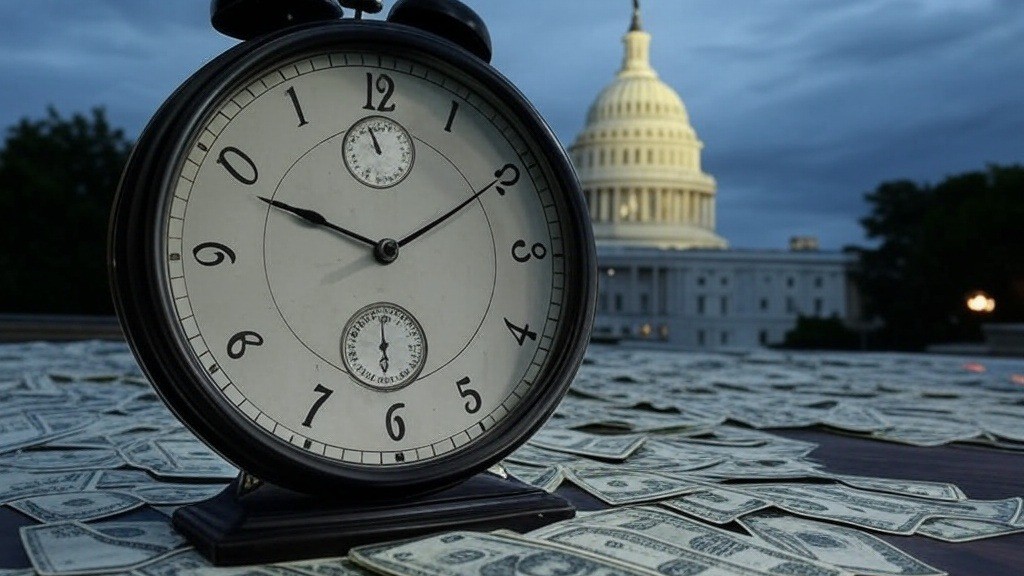
    Picture this: a tab that’s been running for years, growing bigger with every swipe of the national credit card. That’s America’s debt in 2025—over $36 trillion and counting. It’s a number so massive it’s hard to wrap your head around. To put it in perspective, if every American chipped in to pay it off, we’d each owe more than $100,000, from newborns to retirees. For decades, politicians and economists have debated this growing pile of IOUs, but lately, it’s hit levels that make even the calmest experts raise an eyebrow. So, what’s the deal? Is this a crisis that’s going to crash the economy and ruin your retirement, or just a big number we can keep kicking down the road? Let’s break it down.

    The Growing Burden: How Did We Get Here?

    America has always had some debt—think of it like a mortgage for building a nation. After World War II, it was high but manageable. Fast forward to today, and it’s doubled in just 15 years. Why? A mix of big spending, tax cuts, and bad luck.

    First, there’s government spending. Defense, healthcare, Social Security—you name it, it’s pricey. Toss in emergency cash like the trillions pumped out during the COVID-19 mess, and the bill racks up fast. Then there are tax cuts. They’re sold as a boost for your wallet and the economy, but they also mean less money coming into Uncle Sam’s piggy bank. Take the 2017 tax overhaul: it juiced up growth for a bit, but the deficit—the gap between what we spend and what we collect—jumped by hundreds of billions.

    Interest rates are another kicker. Back when rates were near zero, borrowing was cheap. Now, with rates over 3% and climbing, the government’s shelling out more just to cover the interest—$1 trillion in 2025 alone. That’s more than we spend on schools or roads. And don’t forget economic shocks. Pandemics, recessions, wars—they hit hard, and the government borrows big to keep the lights on.

    Why Should You Care?

    National debt sounds like something for suits in Washington to sweat over, but it trickles down to your life. Start with inflation. When the government borrows and spends like there’s no tomorrow, it can heat up prices—think groceries, gas, rent. Your dollar doesn’t stretch as far. Then there’s borrowing. The more the feds borrow, the more they compete with you for loans. That can push up interest rates on your mortgage, car payment, or credit card.

    What about Social Security and Medicare? Those programs are lifelines for millions, but as debt eats up more of the budget, there’s talk of trimming them down the line. Retirees could feel that pinch. And long-term, a massive debt could choke economic growth. Less money for bridges, schools, or tech breakthroughs means fewer jobs and weaker paychecks tomorrow.

    Can We Handle It?

    Here’s the good news: America’s not broke yet. The U.S. dollar is still the world’s go-to currency, like the gold standard of cash. That lets us borrow at rates other countries can only dream of—think of it as having a platinum credit card with a low APR. Investors from Tokyo to London snap up our Treasury bonds because they’re seen as rock-solid. Japan’s got debt twice as big relative to its economy—over 200% of GDP—and it’s still chugging along. Why? Like us, they borrow in their own currency, so they can always print more to pay the tab.

    But there’s a catch. Our debt-to-GDP ratio—think of it as how much we owe compared to what we make—is at 120%, higher than ever outside wartime. The Congressional Budget Office says it could hit 170% by 2054 if nothing changes. That’s driven by an aging population—more retirees cashing Social Security and Medicare checks—plus healthcare costs that grow faster than your grocery bill. Tax revenue isn’t keeping up either, and neither party seems eager to tackle it. Democrats hate cuts; Republicans balk at tax hikes. Gridlock keeps the meter running.

    Could It Blow Up?

    A full-on collapse like Greece or Argentina? Not likely anytime soon. Those countries borrowed in dollars they couldn’t print—we don’t have that problem. The 2011 debt ceiling scare shook Wall Street but didn’t break us. Still, the risk isn’t zero. If investors ever lose faith in Washington’s ability to manage this—or if a war or depression blindsides us—interest rates could spike. That’d mean bigger bills, maybe inflation through the roof, or a recession that hits jobs hard. It’s not tomorrow’s headline, but it’s a storm cloud on the horizon.

    Fixing the Mess: What’s on the Table?

    So, what can we do? There’s no magic wand, but here are some ideas floating around.

    Spending Cuts: Trim the fat—maybe fewer overseas bases or tighter agency budgets. Problem is, everyone’s got a sacred cow they won’t touch, and cuts spark yelling matches in Congress.

    Tax Reforms: Bring in more cash by closing loopholes or tweaking rates. A bump in corporate taxes or a rethink of deductions could help, but good luck getting that past the lobbyists.

    Entitlement Reform: Social Security and Medicare need a tune-up—think gradual changes like raising the retirement age a bit or adjusting benefits for the wealthy. It’s political dynamite, though.

    Grow the Economy: The best fix? Make more money than we owe. Boosting innovation, trade, and jobs could outpace the debt. Tax breaks for startups or infrastructure cash might do it, if we can afford the upfront cost.

    The Bottom Line: Act Now or Pay Later?

    America’s debt isn’t a bomb about to blow—it’s more like a leaky pipe you keep ignoring until the basement floods. We’ve got time, thanks to the dollar’s muscle and our economic heft, but that clock’s ticking. Interest payments are already crowding out things we care about, and the longer we wait, the uglier the choices get: higher taxes, slashed programs, or both. Future generations—your kids or grandkids—could inherit a mess we didn’t fix.

    The fix isn’t sexy. It’s compromise, number-crunching, and tough calls. Will Washington step up? History says don’t hold your breath—debt talks are a political third rail. But if we blend smarter spending, fairer taxes, and a push for growth, we could steer this ship back to calm waters. The question is whether we start rowing now or wait until the waves are so large they sink the proverbial ship.

    See the “U.S. National Debt Clock : Real Time”

  • The Rise of AI-Assisted Fraud: How Criminals Are Using Technology to Scam You

    The Rise of AI-Assisted Fraud: How Criminals Are Using Technology to Scam You

    Imagine receiving a call from a loved one in distress. Their voice, unmistakably theirs, trembles with urgency as they plead for financial help. Or perhaps you stumble upon a social media profile of a charming entrepreneur with a picture-perfect life who invites you into a lucrative investment opportunity. In both cases, you might feel compelled to act—but what if none of it were real?

    The FBI has issued an urgent warning about how criminals are exploiting generative artificial intelligence (AI) to make scams like these more convincing, more pervasive, and more difficult to detect. This technology, which can create realistic text, images, audio, and even videos, allows fraudsters to deceive their victims on a massive scale, while reducing the time and effort required to execute their schemes.

    At its core, generative AI takes what it learns from examples provided by a user—such as writing styles, images, or audio—and produces something entirely new. It is a tool with extraordinary potential for creativity and innovation. But when wielded by bad actors, it becomes a powerful weapon of deception.

    For years, the hallmarks of fraud—awkward grammar, poorly constructed narratives, and overly generic appeals—have served as warning signs to savvy individuals. However, generative AI removes many of these red flags, creating fraud schemes that appear professional, sophisticated, and believable. From well-crafted emails to realistic images and even impersonations of loved ones’ voices, the technology enables criminals to fool their targets like never before.

    One of the most alarming developments is the use of AI-generated text in scams. Fraudsters can now write convincing emails to trick people into clicking malicious links or revealing personal information. Social media, too, has become a breeding ground for scams. Criminals create profiles with biographies that sound authentic, complete with AI-generated photos of fictitious individuals. These profiles are then used to lure victims into romance schemes, fake business ventures, or fraudulent charity campaigns.

    Generative AI also assists foreign criminals by translating their schemes into flawless English, removing the grammatical errors that often gave them away in the past. This means a scam originating overseas can appear as though it was written by a native speaker, making it far harder to detect.

    The deception doesn’t stop with text. AI-generated images have proven equally potent in the hands of criminals. These images can be used to create fake IDs for impersonation schemes or to build fictitious social media personas. For instance, a scammer might send a victim a “personal” photo to establish trust or use fabricated images of disaster zones to elicit donations to non-existent charities. In some cases, scammers generate images of celebrities endorsing counterfeit products or fraudulent investments, adding a veneer of credibility to their schemes.

    Perhaps most chilling is the rise of AI-generated audio and video. Vocal cloning technology allows criminals to mimic a loved one’s voice with eerie accuracy, enabling them to call victims with fabricated stories of emergencies or ransom demands. Similarly, deepfake videos can portray supposed company executives or law enforcement officers in live video calls, lending false legitimacy to fraudulent requests.

    While the technology behind generative AI is not inherently harmful, its misuse has far-reaching consequences. For many, the idea that a scammer could convincingly impersonate a loved one or fabricate an entire identity feels like something out of a science fiction novel. Yet, these scenarios are becoming increasingly common.

    How to Protect Yourself

    So, how can you protect yourself? Experts recommend a few simple but effective strategies. Create a secret word or phrase with your family that only they would know, and use it to verify their identity in emergencies. Be skeptical of content that seems too perfect—AI-generated images and videos often contain subtle imperfections, such as distorted hands or unrealistic facial features. If you receive a call or message from someone claiming to be a loved one in trouble, hang up and call them back directly to verify their story.

    Limiting your digital footprint is another way to reduce your exposure to these scams. Make your social media profiles private and restrict your followers to people you know personally. Criminals often gather material for their schemes from publicly available content, so the less they can find, the safer you’ll be.

    Lastly, never rush into sending money, cryptocurrency, or gift cards to someone you’ve only interacted with online or over the phone. Scammers thrive on creating a sense of urgency to cloud their victims’ judgment.

    Generative AI is a double-edged sword. While its capabilities for innovation and efficiency are transforming industries, it also empowers criminals to operate with alarming precision. By staying informed and vigilant, we can protect ourselves from falling victim to these increasingly sophisticated schemes. If you suspect you’ve been targeted, report the incident to the FBI’s Internet Crime Complaint Center at www.ic3.gov.

    Technology may be advancing at lightning speed, but with awareness and caution, we can outpace those who misuse it.

    Further Reading:

    Internet Crime Complaint Center (IC3) | Criminals Use Generative Artificial Intelligence to Facilitate Financial Fraud

  • The Salt Typhoon Breach: The Telecom Hack That Shook America

    The Salt Typhoon Breach: The Telecom Hack That Shook America

    In the world of cybersecurity, breaches come and go, but some leave a mark so deep they alter the very fabric of national security. The Salt Typhoon cyberattack, orchestrated by a Chinese state-sponsored hacking group, is one of those seismic events. This hack didn’t just expose vulnerabilities—it exploited the very systems designed to ensure national safety, upending trust in the infrastructure we rely on to communicate and protect sensitive information.

    Amidst the chaos of the Salt Typhoon breach, a chilling reality has emerged for U.S. citizens and officials alike: Chinese hackers aren’t just infiltrating networks—they’re actively listening to your phone calls and reading your text messages. Reports indicate that these cyber adversaries have burrowed into the core communication systems of major U.S. telecom providers, allowing them to eavesdrop on conversations and sift through private messages in real time. This invasion of privacy reaches into the daily lives of politicians, campaign staff, and potentially millions of ordinary citizens, turning everyday communications into a battleground for espionage. The implications are profound, not only for individual privacy but also for the trust we place in our communication infrastructure. The revelation that foreign entities could be privy to our most personal and strategic conversations underscores the urgent need for enhanced security measures across the board. This breach isn’t just a wake-up call; it’s an alarm blaring for immediate action to safeguard the sanctity of our communications.

    Microsoft’s threat analysis unit was the first to sound the alarm, revealing that Salt Typhoon had infiltrated major U.S. telecommunications providers. The consequences were catastrophic, exposing the soft underbelly of America’s critical infrastructure and highlighting the dangerous intersection of surveillance laws and cybersecurity.

    A Breach Like No Other

    The hackers didn’t pick their targets randomly. Companies like AT&T, Verizon, T-Mobile, and Lumen Technologies—pillars of U.S. telecom—became their playground. The breach didn’t just compromise phone calls or texts; it included metadata, the digital breadcrumbs that reveal who’s communicating with whom and when. Security experts have speculated that those affected could be some of the nation’s most high-profile individuals.

    The Salt Typhoon breach extended its reach into the heart of American politics, compromising telecommunications systems used by presidential campaigns. Reports confirm that the hackers targeted individuals connected to both the Donald Trump and Kamala Harris campaigns, including former President Donald J. Trump and his running mate, Senator JD Vance, alongside staff from Vice President Kamala Harris’s campaign. This cyber espionage operation not only stole customer call records but also potentially accessed private communications, highlighting a significant threat to national security and the integrity of political processes.

    But how did Salt Typhoon pull this off? Ironically, the key to their success lay in a system designed to protect us. The hackers exploited backdoors in telecom networks installed under the Communications Assistance for Law Enforcement Act (CALEA). These backdoors, meant to allow U.S. agencies to monitor communications legally, became the hackers’ gateway to live surveillance and data extraction. It was an espionage operation hiding in plain sight.

    The Fallout: Espionage at an Unimaginable Scale

    What makes the Salt Typhoon breach so terrifying is the scope of its impact. This wasn’t just about spying on individuals; it was about unraveling the threads of U.S. intelligence operations. The metadata and communications accessed by the hackers gave them insights into surveillance targets and active investigations. Worse, it provided clues on how to evade U.S. detection, potentially shielding China’s covert activities from discovery.

    In the intelligence community, the incident is being described as a counterintelligence catastrophe. The ability of an adversary to tap into the very systems used for surveillance is not only embarrassing—it’s dangerous. It raises urgent questions about the trade-offs between enabling lawful interception and ensuring cybersecurity.

    Beyond the U.S.: A Global Wake-Up Call

    The implications of this attack ripple far beyond American shores. If the U.S., with its advanced cybersecurity capabilities, can fall victim to such a breach, allied nations face similar vulnerabilities. It’s a stark reminder that in an era of interconnectedness, no country’s infrastructure is impervious to state-sponsored cyber warfare.

    Salt Typhoon, active since at least 2020, has focused on espionage and data theft in North America and Southeast Asia. Its activities align with China’s strategic goals of technological and intelligence dominance, making this attack a textbook case of cyber warfare with global ramifications.

    The Response: Scrambling to Secure the Gates

    In Washington, the response has been swift but fraught with urgency. A multi-agency task force, including the FBI, Cybersecurity and Infrastructure Security Agency (CISA), and the Department of Homeland Security (DHS), has mobilized to investigate and mitigate the breach. Meanwhile, Congress is demanding answers, considering new legislation to bolster telecom security.

    For many, the Salt Typhoon breach has reignited debates about surveillance backdoors. Critics argue that these vulnerabilities are a ticking time bomb, and this breach proves their point. The call for stronger encryption and security-first designs is growing louder, with experts emphasizing that the best way to secure communications is to eliminate exploitable loopholes altogether.

    Telecom companies, too, are in the hot seat. Industry leaders are now rushing to adopt advanced security measures, such as AI-driven threat detection, tighter access controls, and continuous monitoring systems. But these fixes come too late for the data already compromised.

    Lessons for the Future

    This breach is a grim lesson in the complexities of cybersecurity in the modern world. It underscores the urgent need to rethink policies like CALEA, which, while intended to aid law enforcement, can inadvertently weaken the very systems they’re meant to protect. Experts are advocating for a more nuanced approach—one that balances the need for surveillance with the imperative of security.

    Investing in resilience is also key. Telecom providers must conduct regular security audits, strengthen incident response teams, and collaborate with public and private partners to build robust defenses. And while cybersecurity is a national issue, it’s also an international one. Sharing intelligence and coordinating responses across borders will be critical to addressing the global nature of these threats.

    Conclusion: A Call to Action

    The Salt Typhoon breach is more than just a cautionary tale—it’s a wake-up call. It’s a stark reminder of how fragile our communication systems are in the face of determined adversaries. As the world becomes increasingly connected, the need to secure these systems grows exponentially.

    In the end, this incident is not just about the past; it’s about the future. It’s a chance to reimagine how we protect our critical infrastructure, how we balance surveillance with security, and how we respond to threats that transcend borders. The stakes couldn’t be higher—and the time to act is now.

    Further Reading:

  • Americans urged to use encrypted messaging apps after cyberattack: navigating the new cybersecurity landscape

    Americans urged to use encrypted messaging apps after cyberattack: navigating the new cybersecurity landscape

    Your phone conversations and text messages are not secure

    In a startling revelation, U.S. officials have recommended that Americans switch to encrypted messaging apps in the wake of an unprecedented cyberattack targeting major telecommunications providers like AT&T and Verizon. Dubbed “Salt Typhoon” by Microsoft, this campaign represents one of the largest intelligence compromises in U.S. history, potentially affecting sensitive communications across the nation. Here’s what you need to know and how you can protect your digital conversations.

    The Cyberattack Unveiled

    The cyberattack, initially disclosed before the recent U.S. elections, has been attributed to state-sponsored hackers, primarily from China. The breach has compromised various forms of communication data, including call logs, texts, and possibly even live audio from phone calls. Despite ongoing efforts, U.S. officials have not yet been able to fully remediate the situation, leading to this urgent call for the use of encrypted communication methods.

    Why Encryption Matters

    Encryption turns your messages into a code that can only be deciphered by someone who has the correct key, making it nearly impossible for unauthorized third parties – including hackers – to read your private communications. Here are the key benefits:

    • Privacy: Keeps your messages confidential between you and the recipient.
    • Security: Protects against interception and unauthorized access.
    • Anonymity: Can hide your identity and location from prying eyes.

    Practical Advice for Deploying Encrypted Messaging

    Here are some steps and recommendations to ensure your communications remain secure:

    Choose the Right App:

    • Signal: Widely recommended by cybersecurity experts and privacy advocates, Signal offers end-to-end encryption for both text and voice communications. It’s user-friendly, open-source, and does not require a phone number for registration in the latest versions (you can use a username instead). Signal’s focus on privacy includes disappearing messages and screen security features.
    • WhatsApp: Also offers end-to-end encryption but is owned by Meta, which might be a concern for users wary of corporate data practices. It has a broad user base, making it convenient for existing social groups but consider its privacy implications.
    • Telegram: While it provides encryption, it’s not end-to-end by default. Use its “Secret Chats” for privacy, but be aware that regular chats are not secured in the same way.
    • Other Options: Apps like Wire or Threema also provide secure communication channels, each with unique features like location sharing or file encryption.

    Enable Encryption Features:

    Ensure that end-to-end encryption is enabled for all communications. In Signal, this is automatic, but for apps like Telegram, you must manually initiate a “Secret Chat.”

    Update Regularly:

    Keep your app updated to the latest version to benefit from the latest security enhancements and bug fixes.

    Verify Contacts:

    Use Signal’s safety number verification to confirm you’re talking to the intended person, preventing man-in-the-middle attacks.

    Use Multi-Factor Authentication (MFA):

    Enable MFA on your accounts where possible to add an extra layer of security to your login processes.

    Be Wary of Phishing:

    Even with encryption, be cautious about what links you click or files you download. Phishing can bypass encryption by tricking you into giving up information willingly.

    Conclusion

    The recommendation from U.S. officials to shift towards encrypted messaging is a wake-up call for individuals to take charge of their digital security. By adopting apps like Signal and following best practices for secure communication, you can protect your privacy in an era where cybersecurity threats are increasingly sophisticated. Remember, encryption isn’t just about keeping your secrets; it’s about safeguarding your right to communicate privately.

    Stay informed, stay secure, and let’s keep our conversations safe from unwanted listeners.

  • The Paradoxical Path of Tulsi Gabbard: From Surveillance Subject to Intelligence Overseer

    The Paradoxical Path of Tulsi Gabbard: From Surveillance Subject to Intelligence Overseer

    Tulsi Gabbard’s nomination as the next Director of National Intelligence (DNI) captures a remarkable irony in American politics, given her history of criticism toward government surveillance and her turbulent relationship with U.S. intelligence agencies. Her potential ascent to a role that would place her in charge of overseeing these agencies adds a layer of complexity to her political journey, her career defined by outspoken views on national security and civil liberties.

    From Surveillance Target to Surveillance Overseer

    Gabbard’s path to this moment began with her own reported experiences under the TSA’s Quiet Skies program, a secretive initiative launched to monitor individuals who might present an elevated risk to aviation security. Quiet Skies operates by targeting travelers based on loosely defined behaviors and travel patterns rather than clear criminal suspicions, allowing the program to place targets under invasive scrutiny, even if they have no criminal background.

    For Gabbard, the scrutiny felt targeted and deeply personal. She described multiple experiences of being marked for “SSSS” (Secondary Security Screening Selection) and subjected to enhanced security screenings lasting up to 45 minutes, her boarding passes marked by four ominous letters that meant she was in for a long, invasive check. She claimed these screenings coincided with her public criticisms of Vice President Kamala Harris and the Biden administration. With Federal Air Marshals reportedly assigned to monitor her flights and TSA deploying explosive detection teams on her itineraries, Gabbard’s story reveals the murky line between national security and potential political surveillance—a topic she has publicly addressed.

    Now, Gabbard finds herself potentially at the helm of the Office of the Director of National Intelligence, a role that would place her in charge of overseeing the intelligence apparatus responsible for such programs. The twist here is clear: having experienced life under the government’s surveillance programs, she would soon be directing them. The question remains—how will her first-hand experience shape her approach?

    A Political Odyssey: From Critic to Commander

    Gabbard’s political journey adds depth to the paradox. She began her career as a Democratic congresswoman with a progressive stance, eventually running for the party’s presidential nomination in 2020. However, her path soon diverged sharply from the Democratic Party. She voiced growing frustration with her colleagues, notably criticizing U.S. foreign policy and advocating for a scaled-back approach to military intervention. In an unexpected turn, she ended up aligning with Donald Trump, the very president who would nominate her for the DNI role.

    This shift, from Democratic hopeful to conservative-aligned political outsider, is emblematic of Gabbard’s willingness to navigate the ideological spectrum as she sees fit. But it also brings a question of consistency to the forefront: would she uphold her past critiques of intelligence overreach, or would she adopt a new approach in her new role? Having been vocal about the dangers of political surveillance and intelligence agency overreach, Gabbard’s path from critique to leadership in the intelligence community suggests a complex, almost ironic chapter where she might seek to reform the very institutions she once criticized.

    Critic of Intelligence Practices: Oversight from Within

    Gabbard has often questioned the intelligence community’s practices, particularly regarding surveillance and its potential for misuse. As a vocal critic of counterterrorism tactics that could infringe on civil liberties, she has raised concerns about how intelligence tools might be used politically or without clear accountability. Her criticisms have found resonance among those concerned about the surveillance state and its encroachment on personal freedoms.

    Her criticisms of programs like Quiet Skies, for instance, resonate even more poignantly given her new potential role. Quiet Skies remains a point of contention, with critics arguing that it sometimes disproportionately affects those who pose no real security threat but meet vague behavioral patterns flagged by TSA algorithms. As DNI, Gabbard would have the opportunity to bring transparency and a more targeted approach to such programs. However, the irony remains: as someone who once questioned the scope of intelligence operations, she would now be tasked with overseeing and potentially reshaping those very practices.

    An Unconventional Candidate for an Unprecedented Role

    Another element of irony in Gabbard’s nomination is her non-traditional background for the DNI role. While she has significant military experience, having served as a combat veteran in the National Guard, her direct experience in intelligence operations is more limited than that of typical DNI appointees, who often come from deep-rooted intelligence or military command backgrounds. For many, the DNI is someone with extensive field experience in intelligence or national security operations, whereas Gabbard brings a combination of political leadership and military service without extensive work within intelligence agencies.

    Yet, this very lack of conventional experience might be what sets her apart. As someone not steeped in the intelligence community’s norms, she could bring a fresh perspective or challenge entrenched practices that might otherwise go unexamined. It could also mean, however, that her tenure might be marked by steep learning curves and an inherent tension between her outsider’s view and the insider realities of the intelligence world.

    Public Perception: Watchdog or Guard Dog?

    Public perception of Gabbard’s nomination will likely be as divided as her political journey. For some, her prior surveillance experiences may position her as a sympathetic figure who would advocate for privacy within the intelligence community. Her time as a target of Quiet Skies could inspire reforms aimed at protecting individual rights and ensuring that surveillance tools are used responsibly, rather than as tools of political retribution.

    Conversely, others may worry that her political shifts and outspoken nature might bias her approach. With her recent affiliations and her critiques of intelligence practices in mind, some might fear that she could steer intelligence activities in a politically motivated direction. Will she act as a neutral overseer of national intelligence, or will her political affiliations and past grievances inform her decisions? This ambiguity leaves room for both optimism and concern as she steps into this high-stakes role.

    A Narrative of Irony and Introspection

    Tulsi Gabbard’s nomination as DNI transcends a mere career milestone; it encapsulates a paradox rich with questions about politics, privacy, and power. Her evolution from surveillance subject to potential intelligence overseer highlights the intricate web of American governance, where yesterday’s critique may become tomorrow’s policy. Her journey also underscores the tension between security and liberty in an era of heightened surveillance.

    Whether Gabbard would dismantle the surveillance architecture she once opposed or fortify it from within remains to be seen. Her tenure promises to be a litmus test for the balance of civil liberties and national security in America. This narrative of irony and introspection invites us to consider not just the trajectory of national intelligence, but the ways in which political transformation can shape, and perhaps even challenge, the structures of power from within. Her story reminds us that the line between watched and watcher is thinner than it seems, especially in the charged landscape of national intelligence.

  • A Paradigm Shift in Homeownership

    A Paradigm Shift in Homeownership

    The National Association of REALTORS® recently reported a record low in the share of first-time homebuyers, now just 24% of the market. Meanwhile, the average age of homebuyers has reached historic highs. With high home prices, rising mortgage rates, and limited inventory, first-time buyers face significant challenges. Meanwhile, repeat buyers often have the advantage of equity, allowing them to buy with cash or large down payments.

    Here’s a quick look at the data:

    • 🏡 The average age of homebuyers is now 56, up from 49 last year.
    • 🏡 First-time buyers’ average age is now 38.
    • 🏡 Repeat buyers are purchasing at an average age of 61.

    These numbers reflect a new reality. Here are some major factors contributing to this shift:


    1. Changing Demographics and Preferences

    • Millennials and Gen Z: Younger generations often prioritize flexibility, with career mobility and urban living making renting attractive. For many, homeownership may not fit their current life stage or financial goals.
    • Aging Population: Older generations are increasingly opting for smaller, easier-to-maintain homes, which reshapes demand for different types of housing.

    2. Economic Factors

    • Economic Instability: The 2008 financial crisis left lasting caution around homeownership. Real estate is no longer seen universally as a “safe” investment.
    • Income Inequality: With rising income inequality, many people are unable to afford homeownership, pushing them toward renting or alternative housing solutions.

    3. Financial Accessibility

    • High Housing Costs: Home prices often rise faster than wages, making the traditional path to ownership less accessible.
    • New Financing Models: Options like shared equity, rent-to-own, and micro-apartments are emerging, expanding what “homeownership” can look like.

    4. Technological and Societal Shifts

    • Remote Work: With remote work, the need to buy in high-cost urban areas has diminished, allowing buyers to consider more affordable locations.
    • Urban vs. Suburban Living: While urban living has been popular, the rise in remote work may encourage a shift back to suburban or rural areas.

    5. Environmental and Sustainability Factors

    • Sustainability Concerns: More people are opting for sustainable, eco-friendly living, which may involve smaller homes or even communal living arrangements.

    6. Cultural Shifts

    • Renting as a Lifestyle Choice: For some, renting is no longer just a temporary step; it’s a long-term lifestyle choice, with high-quality rental options and minimal upkeep becoming a more appealing alternative to ownership.

    7. Policy and Regulation

    • Government Policies: Tax incentives, zoning laws, and other regulations continue to shape homeownership trends, encouraging or limiting access to affordable housing.

    Final Thoughts

    A shift in homeownership is underway, shaped by economic pressures, demographic shifts, and evolving cultural values. Homeownership is moving from a “must-do” step to a possible choice among many. Renting, co-housing, and other living arrangements are gaining legitimacy, marking a shift in how we view the “American Dream.”

    What’s your take on this trend? Are we witnessing a permanent change in homeownership, or just a temporary adjustment?

  • Microsoft Fixes Two Zero-Days in Massive Patch Tuesday

    Microsoft Fixes Two Zero-Days in Massive Patch Tuesday

    If you are a Windows user, you will want to install the latest updates as soon as possible. Microsoft has just released a huge batch of security patches that address more than 70 vulnerabilities in its operating systems and related products, including two zero-day flaws that are already being exploited by hackers.

    What are the zero-day vulnerabilities?

    A zero-day vulnerability is a software bug that is unknown to the vendor and the public, but is known and exploited by attackers. In this case, Microsoft has identified two such vulnerabilities that affect Windows users:

    • CVE-2024-21412: This is a security feature bypass in the way Windows handles Internet Shortcut Files, which are files that link to web pages. An attacker could trick a user into opening a malicious shortcut file and execute code on the user’s system.
    • CVE-2024-21351: This is another security feature bypass in the way Windows SmartScreen, a component that tries to block potentially harmful files downloaded from the web, works. An attacker could bypass the SmartScreen protection and run malicious code on the user’s system.

    Both of these vulnerabilities are being exploited in the wild by different threat actors, according to Microsoft and security researchers.

    What are the other notable vulnerabilities?

    Apart from the zero-day flaws, Microsoft has also fixed several other critical and important vulnerabilities that could allow remote code execution, elevation of privilege, information disclosure, or denial of service attacks. Some of the noteworthy ones are:

    • CVE-2024-21410: This is an elevation of privilege vulnerability in Microsoft Exchange Server, which is a popular email and calendar server. An attacker could exploit this flaw to obtain NTLM hashes, which are encrypted passwords, of Exchange users and impersonate them on the network.
    • CVE-2024-21413: This is a remote code execution vulnerability in Microsoft Office, which is a suite of productivity applications. An attacker could exploit this flaw by convincing a user to view a specially crafted message in the Outlook Preview pane, which would cause the file to open in editing mode and run malicious code.

    How to protect yourself?

    The best way to protect yourself from these and other vulnerabilities is to apply the latest security updates from Microsoft as soon as possible.

    You should also be careful about opening files or links from unknown or suspicious sources, and use a reputable antivirus or security software to scan your system regularly.

    Microsoft releases security updates every second Tuesday of the month, which is also known as Patch Tuesday. This is the largest Patch Tuesday so far in 2024, and one of the largest in Microsoft’s history. It is highly recommended that you install these updates to keep your Windows devices secure and protected. If your organization doesn’t have a patch management process in place to automatically update your computers, get in touch. We continuously update our managed customers’ computers automagically.

  • Microsoft Faces Another Cybersecurity Nightmare: Russian State-Sponsored Hackers Strike Again

    Microsoft Faces Another Cybersecurity Nightmare: Russian State-Sponsored Hackers Strike Again

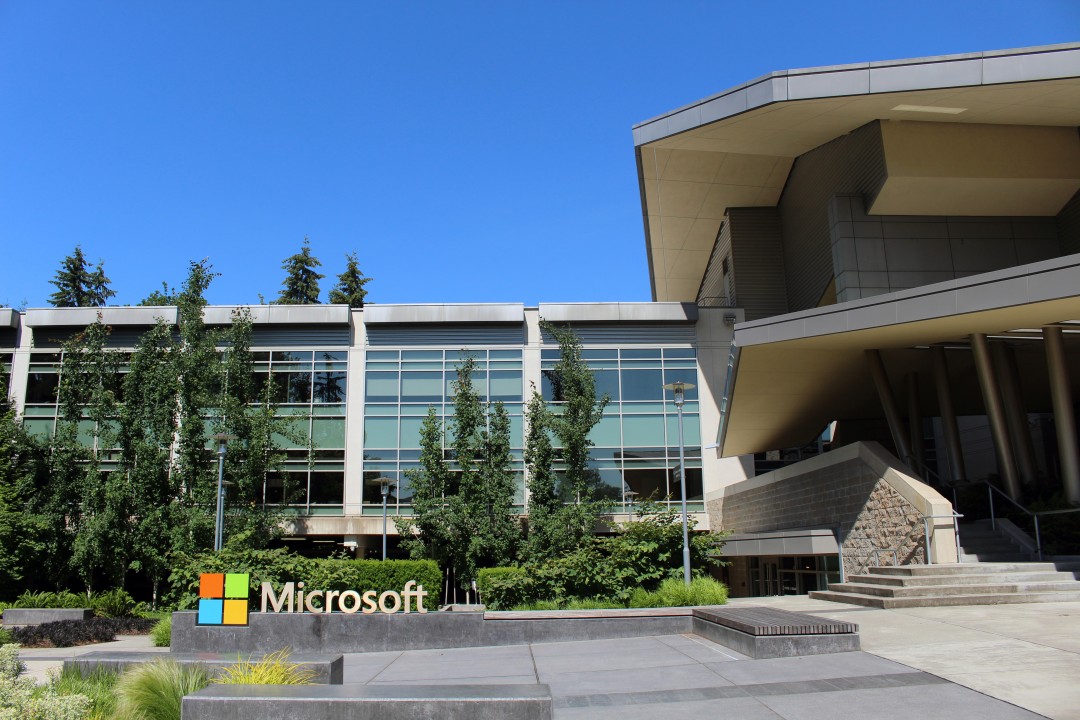
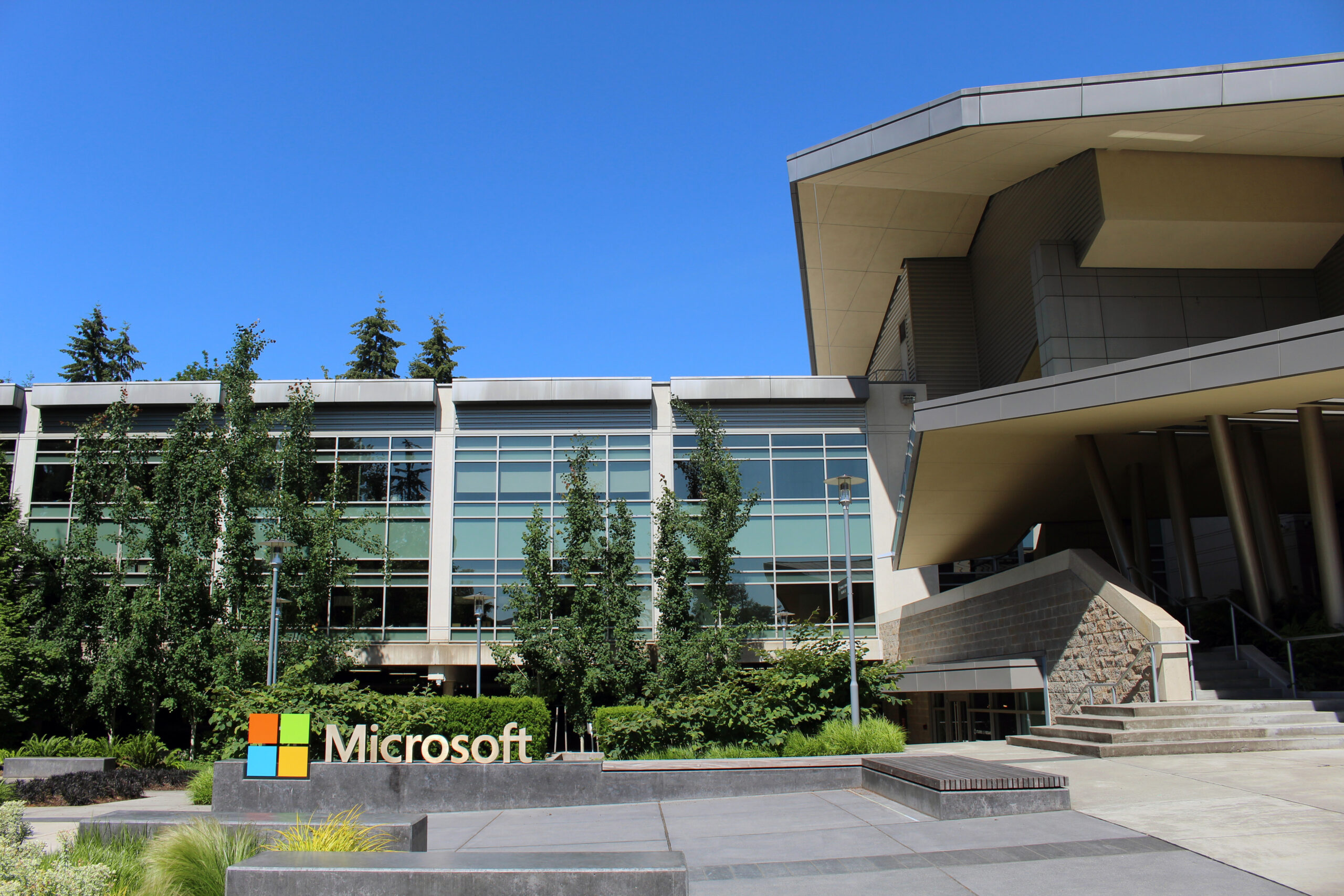
    Microsoft's Building 92
    Microsoft’s Building 92

    A few days ago, Microsoft disclosed that its internal network fell victim to a breach by Russian state-sponsored hackers. The intrusion, which lasted from late November 2023 to January 13, 2024, targeted senior leadership, legal, and cybersecurity teams within the company.

    Microsoft identified Midnight Blizzard, a cyber unit within Russia’s Foreign Intelligence Service (SVR), as the threat actor responsible for the attack. The hackers gained initial access through a password spray attack on a non-production test tenant account, eventually pivoting to the corporate email accounts system. During the breach, the threat actor sought information about what Microsoft knew of Midnight Blizzard’s activities.

    The breach has resulted in widespread criticism of Microsoft for several reasons. First, the company disclosed the incident on a Friday night, a move seen by many as an attempt to minimize media coverage. Second, the breach occurred shortly after Microsoft’s announcement of its Secure Future Initiative, a plan aimed at enhancing the security of its products. This timing has drawn skepticism and raised questions about the effectiveness of Microsoft’s security measures.

    Furthermore, this breach follows another state-sponsored hack, attributed to China’s Storm-0558, just four months prior, where access to Microsoft’s internal network was also compromised. The fact that Microsoft, a proponent of Multi-Factor Authentication (MFA), had one of its test accounts breached through a password spray has raised eyebrows and highlighted potential flaws in its own security practices.

    While the immediate impact on everyday Microsoft users may be limited, the breach has dealt a significant blow to the company’s reputation in the cybersecurity market. The incident showcases a pattern of state-sponsored cyberattacks compromising Microsoft’s internal systems, leading to concerns about the company’s ability to safeguard critical information.

    The incident has prompted discussions about the extensive dependency of the U.S. government on Microsoft infrastructure. As the company faces repeated breaches by intelligence services, questions arise about the sustainability of this reliance. The cybersecurity industry is left pondering at what point the U.S. government will re-evaluate its extensive dependence on Microsoft, especially given the recent breaches and the potential risks associated with such a dependency.

    Microsoft’s encounter with Russian state-sponsored hackers marks a significant cybersecurity setback, adding to concerns about the company’s ability to protect its internal systems. The incident serves as a stark reminder of the evolving threat landscape and the need for continuous vigilance in the face of sophisticated cyber adversaries. As the industry reflects on the aftermath of this breach, it raises pertinent questions about the future of Microsoft’s role in securing critical infrastructure and the broader implications for cybersecurity in the digital age.

    Who’s protecting your organization from hackers?