
In this article
In the predawn hours of April 18, 2026, the Strait of Hormuz, artery for a fifth of the world’s daily oil supply, became something far more dangerous than a shipping lane. Hours earlier, Foreign Minister Abbas Araghchi had posted on X, formerly Twitter, declaring the waterway “completely open” for commercial vessels. The message was a calculated diplomatic signal, an olive branch extended amid fragile ceasefire negotiations that followed the brief but devastating 2026 Iran War.
In line with the ceasefire in Lebanon, the passage for all commercial vessels through Strait of Hormuz is declared completely open for the remaining period of ceasefire, on the coordinated route as already announced by Ports and Maritime Organisation of the Islamic Rep. of Iran.
Then came the reversal.
IRGC Navy speedboats swarmed tankers and container ships. Over open maritime Channel 16, a commander’s voice cut through the static with blunt authority. The strait was closed, and the Revolutionary Guard would obey orders only from Supreme Leader Khamenei, not from “the tweets of some idiot.” IRGC-linked outlets such as Tasnim quickly amplified the jab, openly ridiculing the Foreign Ministry. The public slap was deliberate. In wartime Iran, the diplomats no longer spoke for the regime.
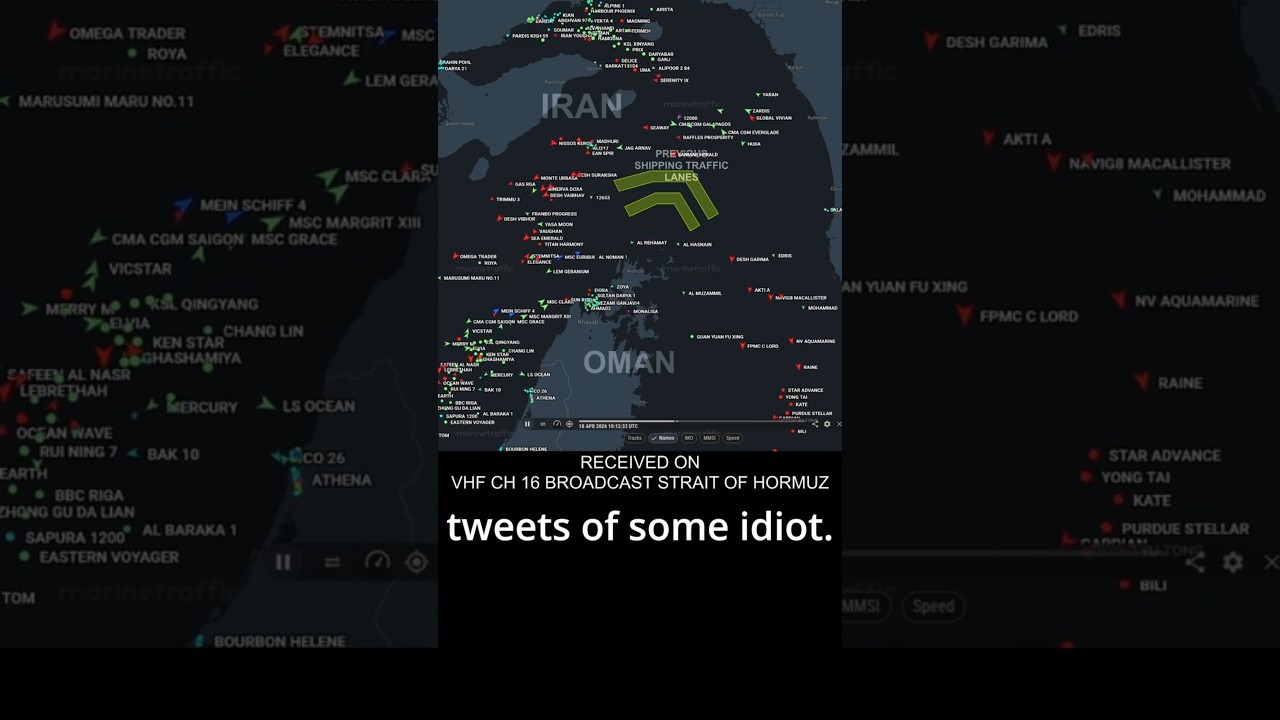 ▶
Video loads from YouTube when you click play.
This was no ordinary bureaucratic dispute. It was the visible fracture in a system that had feigned civilian balance. That same day, the Institute for the Study of War released a special report confirming what many insiders already understood. IRGC Commander Major General Ahmad Vahidi and his inner circle had secured at least temporary control over both military operations and Iran’s negotiating position. Civilian officials, including those seated across from American counterparts, were now operating without independent authority. The Guard had stepped out of the shadows and taken full command.
The war that made this moment inevitable began on February 28 with a barrage of coordinated U.S. and Israeli airstrikes, codenamed Operation Epic Fury. The objective was explicit: degrade Iran’s nuclear sites, missile batteries, and command structure. In the opening hours, Supreme Leader Ali Khamenei was killed, along with IRGC chief Mohammad Pakpour and a generation of senior figures. A temporary ceasefire, brokered in part by Pakistan, took hold around April 8. Yet the conflict’s most lasting consequence was not measured in destroyed facilities or disrupted supply lines. It was the sudden removal of the last guardrails on a power shift decades in the making. Iran’s civilian institutions were hollowed out, and the Islamic Revolutionary Guard Corps consolidated itself as the regime’s undisputed core.
What followed was not a classic coup. There were no tanks in the streets and no midnight proclamations. It was something quieter, more methodical, and far more enduring: a velvet consolidation long rehearsed and now accelerated by crisis. By early April, Vahidi, appointed commander in chief on March 1, had centralized wartime decision making. His close ally Mohammad Bagher Zolghadr, elevated to Secretary of the Supreme National Security Council, became the gatekeeper of access and authority. A military council of senior IRGC officers began dictating policy, leaving President Masoud Pezeshkian in what insiders describe as a deepening political deadlock.
Parliament Speaker Mohammad Bagher Ghalibaf, who led Iran’s delegation at the first round of direct U.S. talks in Islamabad on April 11, quickly discovered the limits of his leverage. Pakistani mediators later acknowledged they spent nearly as much time refereeing intense internal Iranian disputes as negotiating with the Americans. When tempers frayed beyond repair, the hosts called a pause.
The transformation unfolded visibly on Iran’s streets and screens. Night after night, pro-regime crowds, coordinated through IRGC-linked networks, filled public squares, denouncing Araghchi and Ghalibaf by name. Military officers in fatigues replaced clerics on state television, delivering terse communiqués instead of traditional sermons. Then, on April 20, Iran International revealed another fracture in the façade. In a private meeting with advisers, Ghalibaf lashed out at hardliners such as Saeed Jalili and MP Amirhossein Sabeti, calling them “extremist militia-like actors who would destroy Iran.” He accused this faction of weaponizing state television and street mobilization to sabotage any potential agreement with Washington. Ghalibaf, who had described the talks as showing progress despite significant gaps, also expressed private fears that he could be removed as speaker and that Araghchi would be forced out entirely.
The drama carries the tension of palace intrigue, yet its foundations are structural. To understand who truly governs Iran in April 2026 is to trace the parallel state that has quietly overshadowed the republic since its founding.
The Revolutionary Guard: From Insurance Policy to Deep State
When Ayatollah Ruhollah Khomeini returned from exile in February 1979 and toppled the Shah’s monarchy, he faced a practical dilemma. The regular armed forces, the Artesh, were a Western-trained professional military whose loyalties lay with the old order. His solution was swift and structural. In May 1979, he created the Islamic Revolutionary Guard Corps, not merely a second army but an ideological praetorian guard sworn to defend the revolution itself. The IRGC answered directly to the Supreme Leader and to the doctrine of velayat-e faqih, Khomeini’s innovation that vested ultimate political power in a senior cleric.
The eight-year Iran-Iraq War from 1980 to 1988 became the crucible. While the Artesh waged conventional battles, the IRGC perfected asymmetric tactics, built its own naval and aerospace branches, and established the Quds Force for extraterritorial operations. It absorbed the Basij volunteer militia, creating a domestic enforcement machine. By war’s end, the Guard had evolved into a parallel state with its own intelligence apparatus, a construction empire through Khatam al-Anbiya, and a sanctions-busting economic network.
Under Ali Khamenei, who succeeded Khomeini in 1989, the IRGC became indispensable. It crushed the 1999 student protests, the 2009 Green Movement, and the 2022 Mahsa Amini uprising. It built the Axis of Resistance, linking Hezbollah in Lebanon, Shia militias in Iraq and Syria, and the Houthis in Yemen. Presidents came and went, but the Guard’s influence only deepened. By the 2020s, analysts routinely described it as Iran’s deep state, a self-financing and ideologically cohesive force that both guarded and constrained the system it served.
The 2026 war did not create this structure. It removed the remaining constraints. Khamenei’s death triggered a succession scramble. An interim council that included Pezeshkian maintained continuity until the Assembly of Experts selected Mojtaba Khamenei around March 8. Pakpour’s assassination cleared the path for Vahidi. In the fog of external threat, power flowed to the institution designed for survival.
The New Faces of Power
Ahmad Vahidi embodies the Guard’s triumph. Born Vahid Shahcheraghi in 1958 in Shiraz, he is a founding IRGC member and Iran-Iraq War veteran who commanded the Quds Force during its formative years from 1988 to 1997. He later served as defense minister from 2009 to 2013 and interior minister from 2021 to 2024. Argentina has sought his extradition since 2007 for allegedly masterminding the 1994 AMIA bombing in Buenos Aires that killed 85, an accusation Iran denies. Sanctioned by the United States and the European Union, Vahidi represents the archetype of the hardline operator.
Mohammad Bagher Zolghadr, his closest ally and now Secretary of the Supreme National Security Council, shares a similar trajectory. Born near Shiraz in 1954, he helped establish the irregular warfare units that evolved into the Quds Force. His career spans military command, the interior ministry, and the judiciary.
Abbas Araghchi has become the public face of the sidelined diplomatic track. A career diplomat born in 1962, he earned a PhD from the University of Kent and played a central role in negotiating the 2015 JCPOA nuclear deal. Appointed foreign minister by the reformist-leaning Pezeshkian, he now finds his authority openly undermined.
Mohammad Bagher Ghalibaf walks an increasingly narrow path. Born in 1961, he is an IRGC veteran and former Tehran mayor. Once a pragmatic conservative with strong credentials, he now faces public denunciation and internal marginalization.
Saeed Jalili and Amirhossein Sabeti represent the uncompromising faction. Jalili, born in 1965, is a veteran of the Iran-Iraq War and a former chief nuclear negotiator. Sabeti, a younger hardline parliamentarian, amplifies that stance with populist intensity.
Masoud Pezeshkian, elected president in 2024, remains largely ceremonial. Mohammad Pakpour, though dead, remains the pivotal figure whose removal enabled the consolidation now underway.
The Mechanics of Control
The IRGC’s supremacy rests on three pillars. Constitutionally, it reports only to the Supreme Leader, bypassing the presidency. Economically, it controls vast networks across oil, construction, and telecommunications. Ideologically, its loyalty to velayat-e faqih supersedes any electoral mandate.
The war cleared the field. Leadership decapitation, public fear, and a negotiating process reframed as capitulation strengthened the Guard’s position.
Yet fissures remain. Ghalibaf’s frustration suggests unease among pragmatic conservatives. The Islamabad negotiations revealed that factional rivalries persist. Centralization has brought clarity, but it has also introduced fragility.
What Comes Next
Whether Vahidi’s control remains temporary or becomes permanent will depend on several variables. The durability of the ceasefire, the terms of any final agreement, and Mojtaba Khamenei’s ability to assert independence will all shape the outcome.
What is already clear is that the 2026 war stripped Iran’s governance to its core reality. Ministries still function. Parliament still meets. Titles still carry weight. But real power now resides with those in uniform.
For policymakers in Washington, Tel Aviv, and European capitals, the implication is stark. Negotiating with Iran once required navigating a dual-track system. That system has collapsed into a single channel controlled by the Revolutionary Guard.
The Guard did not merely survive the crisis. They became the regime.
The question that will define the remainder of 2026 is whether this consolidation represents enduring strength or the first sign of vulnerability. That answer may only emerge once the crisis that enabled it begins to fade.
For now, in the aftermath of war, the Guard holds the reins.
Tehran’s silent coup is complete.
Cast of Characters
This key provides detail on each major individual and entity mentioned above. Every entry includes birth/death years (where known), educational or military background, key career milestones, ideological stance, and precise relevance to the April 2026 wartime power consolidation. Definitions are drawn from verified public records, Iranian state sources, Western intelligence assessments, and contemporaneous reporting on the 2026 war. The focus remains neutral and factual, explaining why each figure or institution matters in Iran’s hybrid theocratic-military system.
Supreme Leadership
Ali Khamenei (1939–2026): Born in Mashhad to a clerical family, Khamenei
studied Islamic jurisprudence under Ayatollah Ruhollah Khomeini and rose through the revolutionary ranks as a mid-level cleric and politician. He served as president (1981–1989) before succeeding Khomeini as Supreme Leader in June 1989, a position he held until his assassination in the opening hours of Operation Epic Fury on February 28, 2026. As the embodiment of velayat-e faqih (guardianship of the Islamic jurist), Khamenei possessed absolute authority over the military, judiciary, foreign policy, and nuclear program; he personally approved all major IRGC appointments and proxy operations. His death decapitated the regime’s apex, triggering the succession crisis that accelerated the IRGC’s takeover by removing the last personal check on hardline commanders.
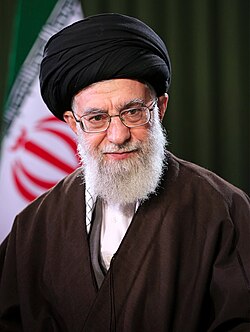
Mojtaba Khamenei (b. 1969): The second son of Ali Khamenei, Mojtaba is a low-profile cleric educated in Qom’s seminaries with a focus on Islamic philosophy and security studies. Long rumored to be his father’s preferred successor, he maintained close operational ties to the IRGC’s intelligence and ideological branches while avoiding public office. The Assembly of Experts elected him Supreme Leader on or about March 8, 2026, in a rapid, near-unanimous session held under wartime conditions. Though still consolidating power, Mojtaba now formally legitimizes IRGC decisions; his relative youth and dependence on the Guard’s security apparatus make him the symbolic head of a system in which real operational authority has shifted to Vahidi and Zolghadr.
IRGC (Islamic Revolutionary Guard Corps) and Hardliners
Islamic Revolutionary Guard Corps (IRGC): Established by decree of Ayatollah Khomeini on May 5, 1979, the IRGC was explicitly created as an ideological counterweight to the Shah-era regular army (Artesh), which was distrusted for its Western training and monarchist loyalties. It evolved during the 1980–1988 Iran-Iraq War into a multi-domain force with its own army, navy, aerospace command, missile program, and the Quds Force for extraterritorial operations; it also absorbed the Basij militia for domestic control. By the 2020s the IRGC commanded an independent economic empire (Khatam al-Anbiya Construction Headquarters controls ports, oil infrastructure, and sanctions-evasion networks worth tens of billions), ran Iran’s proxy “Axis of Resistance,” and reported directly to the Supreme Leader rather than the elected president or defense ministry. In the 2026 war, leadership losses (Khamenei and Pakpour) allowed the IRGC to centralize wartime decision-making, sidelining civilian institutions and turning the corps into the de facto government.
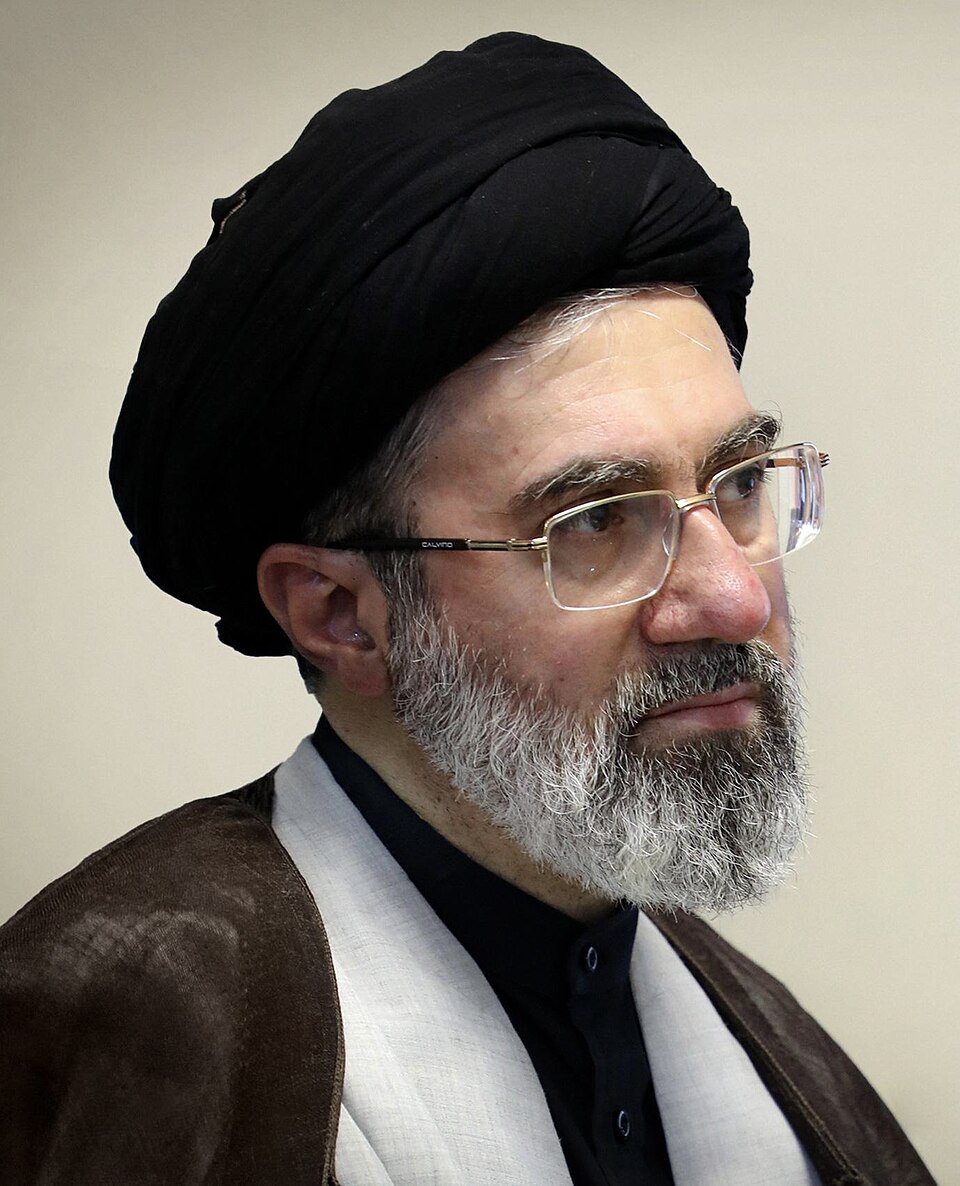
Ahmad Vahidi (b. 1958): Born Vahid Shahcheraghi in Shiraz, Vahidi joined the IRGC at its founding and fought as a commander in the Iran-Iraq War. He led the Quds Force in its formative years (1988–1997), building early ties with Lebanese Hezbollah and other Shia militias, then served as minister of defense (2009–2013) and interior minister (2021–2024). Designated a terrorist by the U.S. and EU and wanted by Argentina for allegedly orchestrating the 1994 AMIA bombing in Buenos Aires (85 killed; Iran denies involvement), Vahidi embodies the Guard’s hardline, anti-Western ethos. Appointed IRGC Commander-in-Chief on March 1, 2026, he and his inner circle now exercise “at least temporary control” over both military operations and Iran’s negotiating position, as confirmed by the Institute for the Study of War.
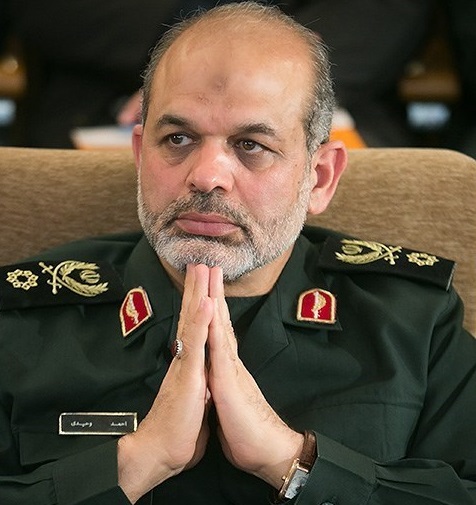
Mohammad Bagher Zolghadr (b. 1954): Born near Shiraz, Zolghadr was a founding IRGC officer who helped establish the irregular-warfare units that became the Quds Force. He rose to deputy commander of the IRGC, held senior posts in the interior ministry and judiciary, and is regarded as one of the architects of Iran’s asymmetric doctrine. A close confidant of Vahidi, he was elevated in March 2026 to Secretary of the Supreme National Security Council, the body that coordinates nuclear, missile, and foreign policy. In this role he functions as the primary gatekeeper between the Supreme Leader and operational commanders, effectively sidelining President Pezeshkian and the Foreign Ministry.
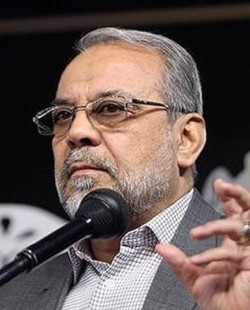
Saeed Jalili (b. 1965): Born in Mashhad, Jalili lost his right leg in combat during the Iran-Iraq War and earned a PhD in political science from Imam Sadegh University. He served as chief nuclear negotiator (2007–2013), presidential chief of staff, and ran unsuccessfully for president three times as the standard-bearer of the “resistance” faction. A senior member of the National Security Council under Mojtaba Khamenei, Jalili rejects any compromise with the West, viewing the JCPOA-era talks as strategic surrender; he is a leading voice in the hardline bloc that has mobilized crowds and state media against the April 2026 ceasefire negotiations.
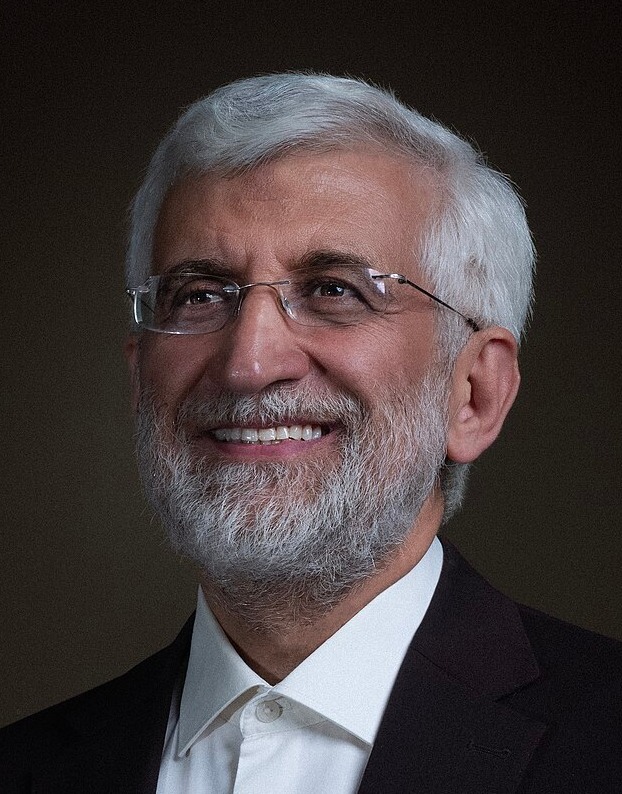
Amirhossein Sabeti: A younger-generation hardline Member of Parliament and former state-television presenter, Sabeti rose through IRGC-affiliated media and student organizations. Known for populist, confrontational rhetoric, he publicly champions maximum pressure on the West and domestic ideological purity. In April 2026 he has been instrumental in coordinating IRGC-linked street protests and television campaigns denouncing Foreign Minister Araghchi and Speaker Ghalibaf; Ghalibaf’s leaked April 20 outburst explicitly named Sabeti as one of the “extremist militia-like actors” sabotaging diplomacy.
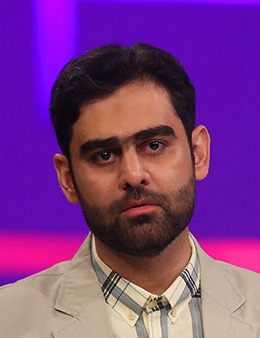
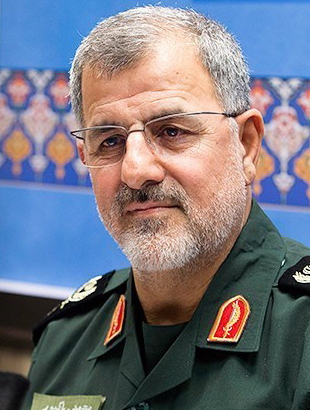
Mohammad Pakpour (deceased): Long-serving IRGC Commander-in-Chief until his death in the February 28, 2026 airstrikes, Pakpour was a veteran of the Iran-Iraq War and the Syrian intervention. His assassination removed the last major internal IRGC figure who could potentially restrain Vahidi’s rapid centralization of power.
Civilian and Pragmatic Figures
Masoud Pezeshkian (b. 1954): A practicing heart surgeon and longtime member of parliament from Tabriz, Pezeshkian won the 2024 presidential election on a modest reformist platform promising economic relief, limited social openness, and better relations with the West. As president he chairs the Supreme National Security Council in name only; in the post-war IRGC-dominated system he has been reduced to a largely ceremonial role with no independent authority over military operations or nuclear negotiations.
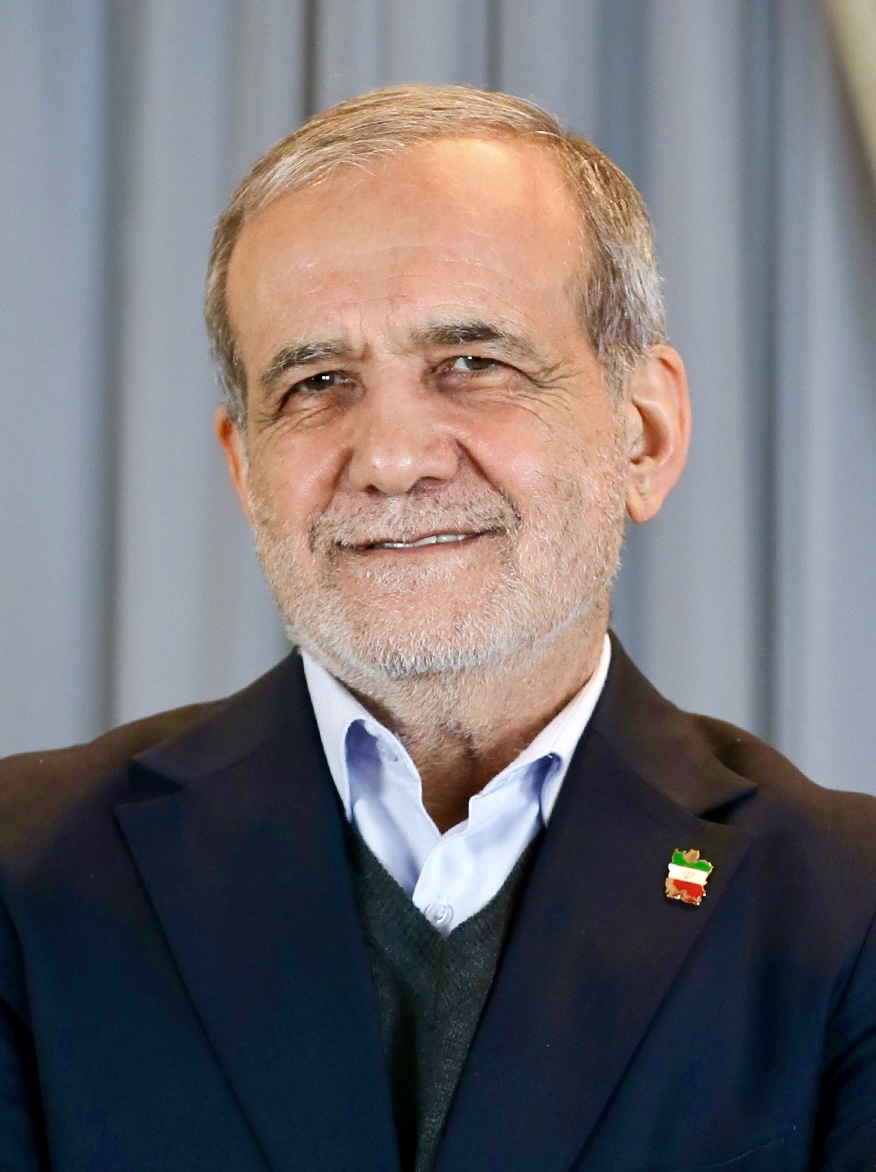
Abbas Araghchi (b. 1962): Born in Isfahan, Araghchi holds a PhD in international relations from the University of Kent (UK) and volunteered for the IRGC during the Iran-Iraq War before entering the diplomatic corps. He served as deputy foreign minister and was a principal negotiator of the 2015 JCPOA under Javad Zarif. Appointed foreign minister by Pezeshkian in 2024, Araghchi publicly declared the Strait of Hormuz “completely open” on April 17, 2026, only to be immediately countermanded by the IRGC, making him the visible symbol of the sidelined civilian/diplomatic track.
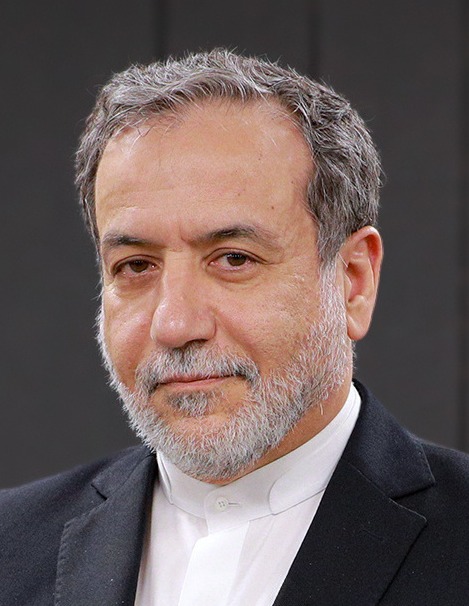
Mohammad Bagher Ghalibaf (b. 1961): A longtime IRGC veteran who commanded its air force during the Iran-Iraq War and later served as Tehran’s mayor (2005–2017), Ghalibaf is a pragmatic conservative with strong regime credentials. Elected Speaker of Parliament in 2024, he led Iran’s delegation at the April 11, 2026 direct talks with the U.S. in Islamabad. Facing nightly denunciations from IRGC-orchestrated crowds and fearing loss of his speakership, he privately described hardliners such as Jalili and Sabeti as “extremist militia-like actors who would destroy Iran” in a meeting reported by Iran International on April 20.
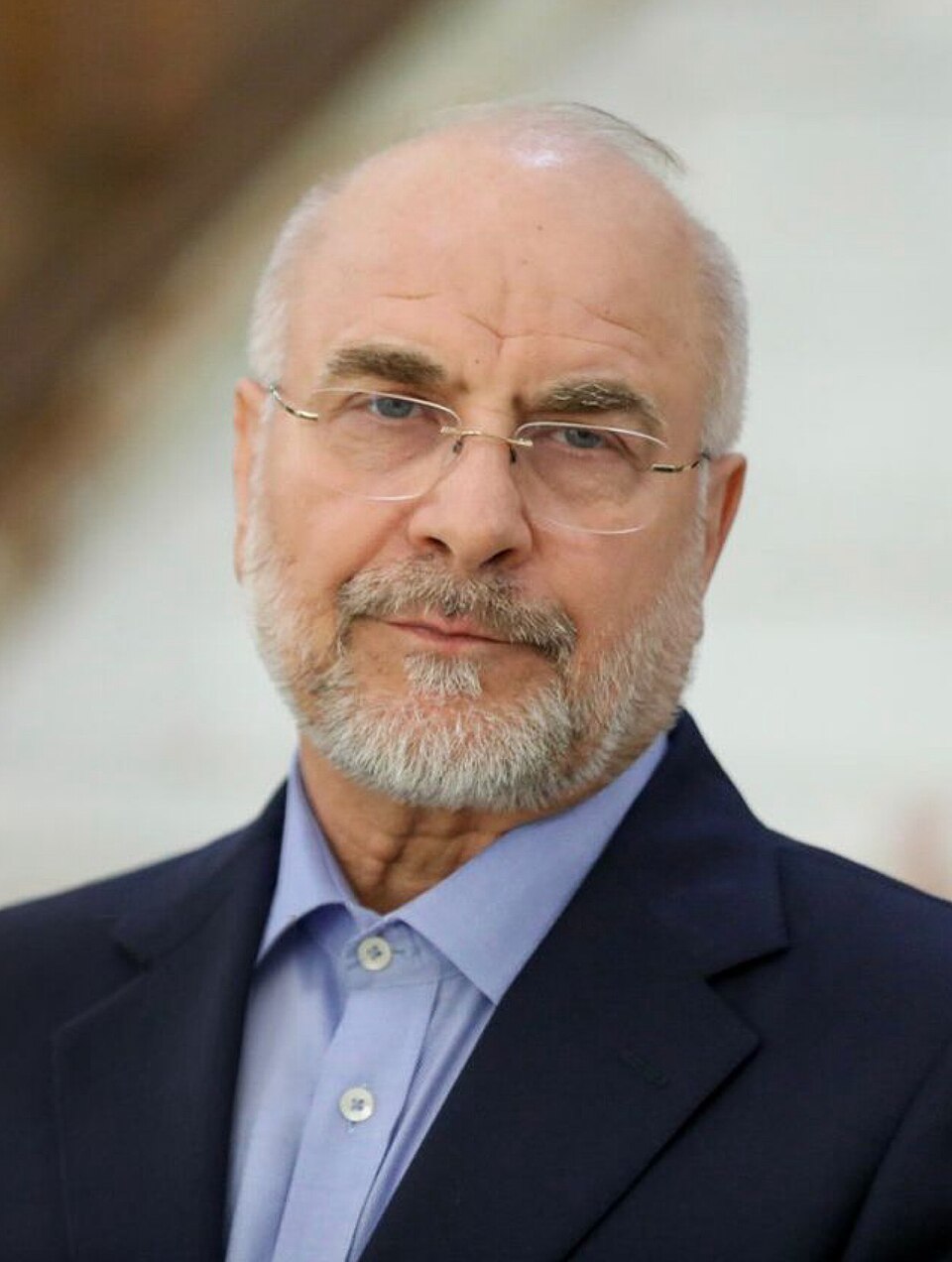
Javad Zarif (b. 1960): Former foreign minister (2013–2021) and chief architect of the 2015 JCPOA, the 2015 Iran nuclear deal.. A career diplomat with a PhD from the University of Denver, Zarif is mentioned only as Araghchi’s predecessor; he is no longer in government but remains a reference point for the pragmatic negotiating tradition now eclipsed by the IRGC.
Institutions and Other Entities
Supreme National Security Council (SNSC): Iran’s highest national-security body, constitutionally chaired by the president but required to include the Supreme Leader’s representative, IRGC commanders, and key ministers. It sets policy on nuclear issues, missile development, and foreign relations. Under Secretary Zolghadr in April 2026, the SNSC has become the primary vehicle for IRGC dominance over negotiations and military decisions.
Assembly of Experts: An 88-member body of clerics elected every eight years that is constitutionally empowered to choose, supervise, and (in theory) dismiss the Supreme Leader. It convened under wartime secrecy to select Mojtaba Khamenei in March 2026.
Velayat-e faqih: The core constitutional doctrine of the Islamic Republic, first articulated by Khomeini, which grants absolute political and religious authority to the Supreme Leader (the “Guardian Jurist”). The IRGC’s oath of loyalty is sworn directly to this office, not to the elected branches of government; this legal structure enabled the Guard’s seamless takeover after Khamenei’s death.
Basij Resistance Force: A volunteer paramilitary under full IRGC command, numbering in the millions. It enforces ideological conformity, suppresses protests (notably 2009, 2019, and 2022), and provides manpower for domestic mobilization; in April 2026 IRGC-linked Basij networks coordinated the nightly pro-regime rallies denouncing diplomats.
Quds Force: The IRGC’s elite extraterritorial branch responsible for training, arming, and directing proxy militias across the Middle East (Hezbollah, Houthis, Iraqi Popular Mobilization Forces, etc.). It reports directly to the Supreme Leader and forms the operational backbone of Iran’s “Axis of Resistance” strategy.
Khatam al-Anbiya Construction Headquarters: The IRGC’s flagship economic conglomerate, founded in 1989. It controls major infrastructure projects, oil terminals, telecommunications, and smuggling networks, giving the Guard an independent revenue stream immune to many sanctions and enormous patronage power.
Tasnim News Agency: Hardline Iranian news outlet with explicit ties to the IRGC. On April 18, 2026, it amplified the IRGC’s public ridicule of the Foreign Ministry and Araghchi’s Hormuz announcement.
Iran International: London-based, Persian-language satellite television network (widely viewed inside Iran) funded primarily by Saudi-linked interests and often critical of the regime. It broke the April 20, 2026 story of Ghalibaf’s private outburst against hardliners.
Institute for the Study of War (ISW): Independent Washington, D.C.-based think tank founded in 2007 that specializes in real-time military and political analysis of conflicts in the Middle East. Its April 18, 2026 special report was the first major Western assessment to confirm the IRGC’s “at least temporary control” over Iran’s military operations and negotiating stance.
Joint Comprehensive Plan of Action (JCPOA): The 2015 multilateral nuclear agreement, formally signed on July 14, 2015, in Vienna between Iran and the P5+1 powers (United States, United Kingdom, France, Russia, China, Germany) plus the European Union. Under the deal, Iran agreed to verifiable limits on its nuclear program—including capping uranium enrichment at 3.67 percent, reducing its low-enriched uranium stockpile by 98 percent, slashing the number of operating centrifuges, and redesigning the Arak heavy-water reactor—in exchange for the lifting of nuclear-related international sanctions that had severely restricted its oil exports, banking, and trade. The International Atomic Energy Agency (IAEA) was granted unprecedented inspection access to monitor compliance. The agreement was the signature foreign-policy achievement of the Rouhani administration and was negotiated principally by then-Foreign Minister Javad Zarif and his deputy Abbas Araghchi.
The JCPOA never enjoyed full domestic consensus in Iran. Hardline factions, including Saeed Jalili, viewed its concessions as “strategic surrender,” while pragmatists saw it as essential economic relief. The United States withdrew from the deal in 2018 and reimposed “maximum pressure” sanctions; Iran responded by progressively rolling back its commitments. By the time of the 2026 war, the original JCPOA framework had effectively collapsed. The direct U.S.–Iran talks in Islamabad in April 2026 therefore represented an entirely new negotiating round conducted under IRGC-dominated conditions, with diplomats such as Araghchi operating without independent authority and hardliners openly denouncing any compromise as a repeat of the 2015 “betrayal.” The agreement remains a historical reference point in the article’s cast of characters—symbolizing both the high-water mark of the sidelined pragmatic/diplomatic track and the ideological battle lines that persist in the post-war power structure.
1994 AMIA Bombing: On July 18, 1994, a suicide truck bomb detonated outside the Asociación Mutual Israelita Argentina (AMIA) Jewish community center in Buenos Aires, killing 85 people and injuring more than 300. It remains the deadliest terrorist attack in Argentine history. Argentine prosecutors, supported by Western intelligence assessments and a 2006 court ruling, have formally accused the Iranian government and Hezbollah of orchestrating the bombing, with senior IRGC Quds Force officials providing direction and support. Ahmad Vahidi, then commander of the Quds Force, is one of the Iranian officials named in the case; Argentina has sought his extradition since 2007 via an active Interpol Red Notice. Iran has consistently denied any involvement.